
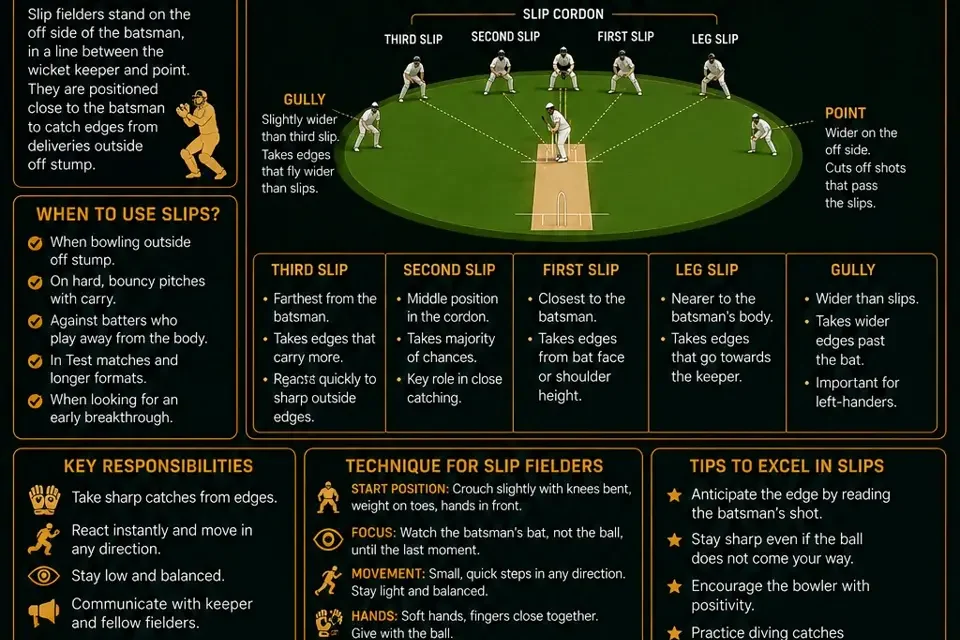
Slip fielding is one of the most specialised skills in cricket. Slip fielders stand close to the batter on the off side, usually in a line between the wicketkeeper and point. Their primary purpose is to catch edges produced by deliveries that move away from the bat. Because the ball can arrive quickly and at an unexpected height, slip fielding requires courage, concentration, excellent reactions, and reliable catching technique.
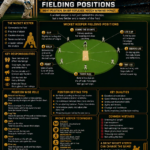
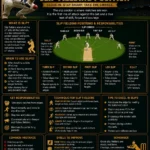
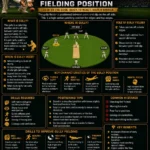
The number of slip fielders depends on the match situation, the bowler’s style, the pitch, and the batter. A team may use one slip, two slips, three slips, or more in attacking situations. First slip is generally closest to the wicketkeeper and is often responsible for sharp chances near the bat. Second slip and third slip stand progressively wider and are prepared for edges that carry away from the batter. A leg slip may also be used on the leg side when the bowler targets the batter’s body or pads.
The correct starting position is essential. A slip fielder should crouch slightly, keep the feet apart, bend the knees, and place the weight forward on the toes. The hands should remain in front of the body with the fingers relaxed and ready. The head must stay still, and the eyes should track the bat and ball. Watching only the ball can make it harder to judge an edge, so experienced slip fielders learn to read the batter’s movement and bat angle.
Soft hands are the foundation of safe slip catching. When the ball reaches the hands, the fielder should absorb its speed rather than allowing the hands to become rigid. Fingers should be close together, and the catch should be taken in front of the body whenever possible. Low catches require quick movement and balance, while higher chances may require a small step or leap. Crossing the feet while moving can reduce balance and delay the reaction.
Communication is another major part of slip fielding. Slip fielders should understand who is responsible for each area and communicate clearly with the wicketkeeper. Coaches can develop these skills through edge drills, close-range reaction exercises, and movement practice using tennis balls or soft balls. Common mistakes include standing upright, spreading the hands too wide, watching the wrong point, and losing focus after a few quiet overs.
A great slip fielder is made through repetition and confidence. Every delivery is an opportunity, and even a small edge can become a match-changing moment. By staying low, watching carefully, using soft hands, and practising consistently, young cricketers can become dependable slip fielders who give their team valuable breakthroughs.





Recent Comments